
PROJECT OVERVIEW
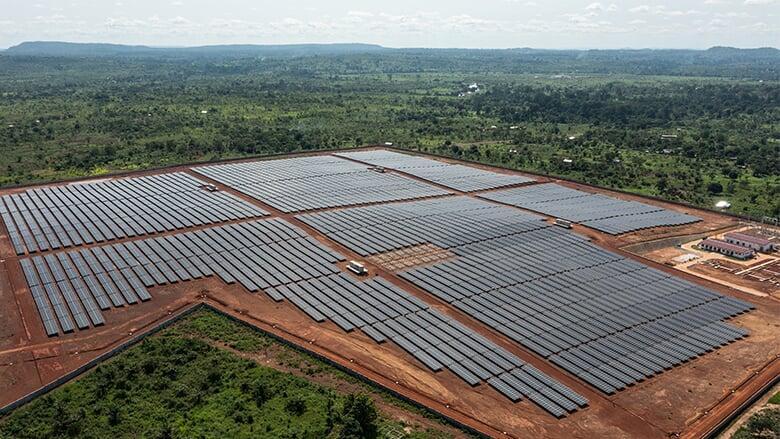
Kasama Solar Energy Ltd. is set to put up an ambitious 140 MW Solar Photovoltaic (PV) Power Generation project in Kasama District, Northern Province of Zambia. The project represents a major leap towards addressing Africa's energy challenges while promoting regional integration and sustainable development. Upon commissioning, the 140 MW Solar PV Generator will simultaneously inject much- needed power into the Zambia, Namibia, Malawi, and Tanzania power grids; contributing to the interconnectivity of the entire East and Southern African Power Pools.
Board of Directors

Gift Nalubamba
Chairman of the Board

Eng. Dr. Diana Kangwa
Director

Jan Sanden
Director

Kahiga Musaari
Director
Public Sector & Partnerships
Women in Energy
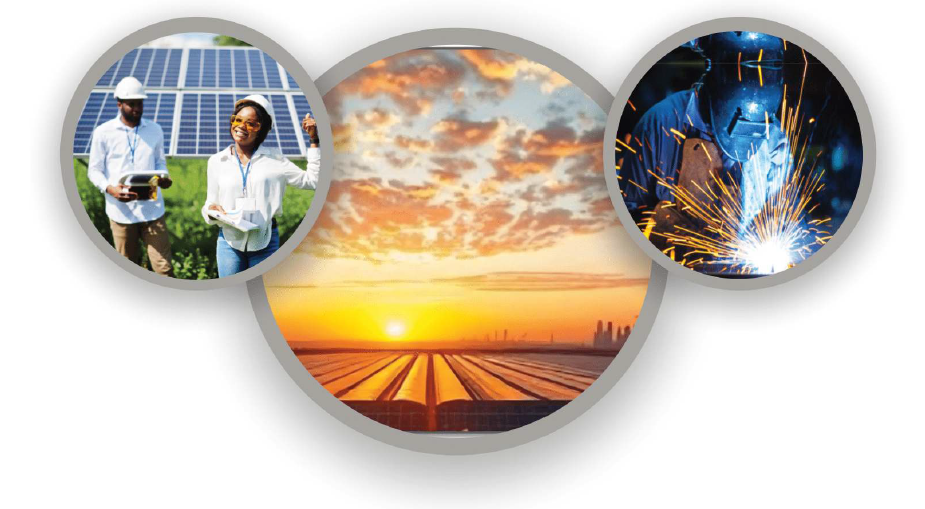
Kasama Solar Energy Ltd is deeply committed to advancing gender equality and women’s participation in the energy transition, reflecting both corporate principles and regional strategic frameworks such as the SADC Gender and Renewable Energy policy which recognises the importance of women’s inclusion in energy systems for sustainable development. We prioritise equitable representation across our organisation, from Board and senior management appointments to project teams and field engineering roles, ensuring women’s voices are integral in decision-making, technical leadership, and operational execution. Our internal recruitment and career development policies are designed to eliminate barriers and promote merit-based advancement for women in all functions of the business.
We actively support women’s professional growth through structured internship, mentorship, and technical training programmes, developed in partnership with regional initiatives like the SADC “Energising Women to Advance the Energy Transition” mentoring and capacity-building programmes led by GWNET and SACREEE, which empower women energy professionals across Southern Africa through skill development, networking, and leadership support. These programmes complement our in-house efforts to build a pipeline of women engineers, project managers, and technical experts, reflecting our belief that industry leadership must include under-represented talent at every level.
Kasama Solar’s commitment extends beyond our workforce into community and social responsibility, where we prioritise initiatives that strengthen women’s access to energy-linked economic opportunities and enhance household resilience. We engage local women’s groups in vocational training, support women-led small businesses linked to energy services, and collaborate with national and regional partners to create programmes that address gendered barriers to energy access and participation. By aligning our policies with SADC’s regional goals for gender empowerment and inclusive economic development, we aim to contribute meaningfully to a just and equitable energy transition for all.
Green Industry Transition
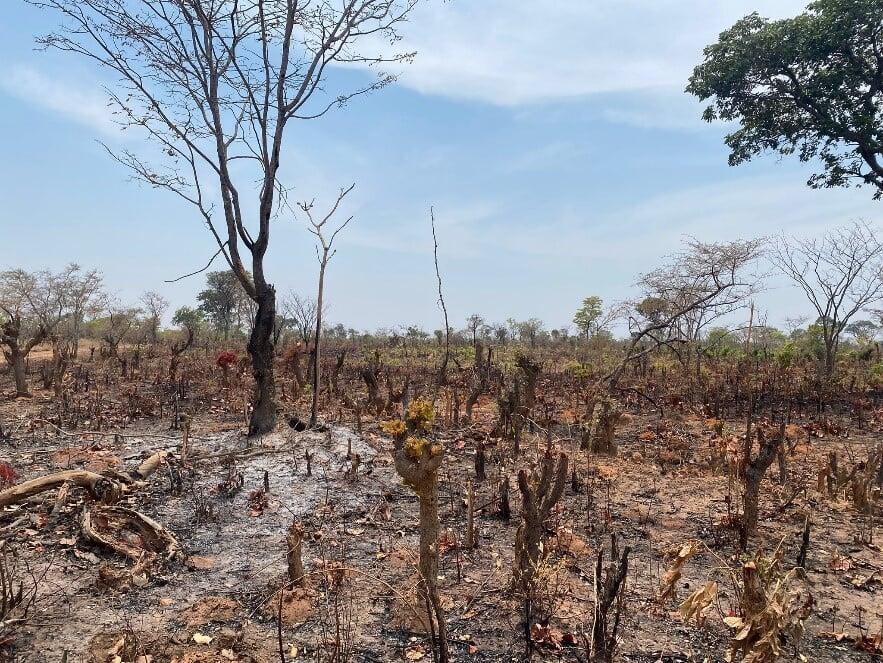
The natural ecosystem in the Kasama area once featured ‘sparsely spread dry woodlands’ over insignificant inclines on ‘widespreadshrubby plains’. Today, however, the entire land mass exhibits widespread deforestation which has been occasioned by the local community in an unfortunate effort to bridge a growing demand for energy to support the domestic activities of an ever increasing population.
As a result, nearly 90 % of the entire landmass has been subjected to years of continued environmental degradation by means of illegal logging and firewood harvesting as a source of energy which is traditionally closely accompanied by charcoal burning activities
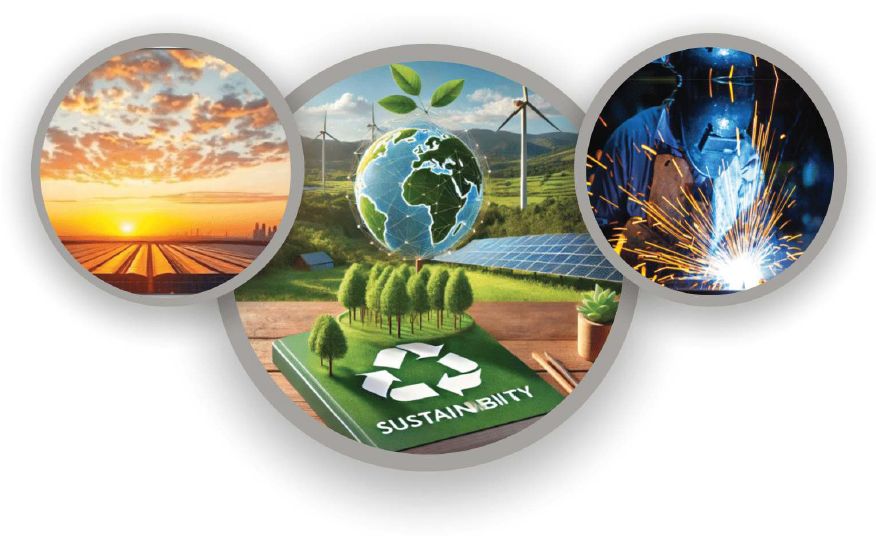
As such, the Kasama Solar Energy Project will not just replace electricity generated by coal and other fossil fuels such as diesel generators in Zambia, but it will equally offset environmentally harmful emissions from fossil based sources of electricity in Malawi, Tanzania and Namibia which when combined have an approximate weighted average emission factor of ~0.9 tons CO₂/MWh. Further to this, the Kasama region of Zambia is blessed with good solar irradiance able to yield 269.8 GWh annually from a 140MW Solar PV Farm. In view of these factors and given the current regional energy production mix it is expected that the Kasama Solar Energy Project will have an annual carbon offset of approximately 250,000tons of CO₂/year
In this context, a typical ‘woody shrub-land’ area like Kasama would sequester 0.7tons of CO₂ per acre per year in its natural state. Thus, if the entire 1480-acre Project Site was to be reforested, then the total carbon sequestration capacity would accumulate to 1,036tCO₂/year. This however, is only a fraction of the Kasama Solar Energy project's ‘Direct Carbon Offsetting’ capacity of 250,000 tons of CO₂/year.
Regional Integration
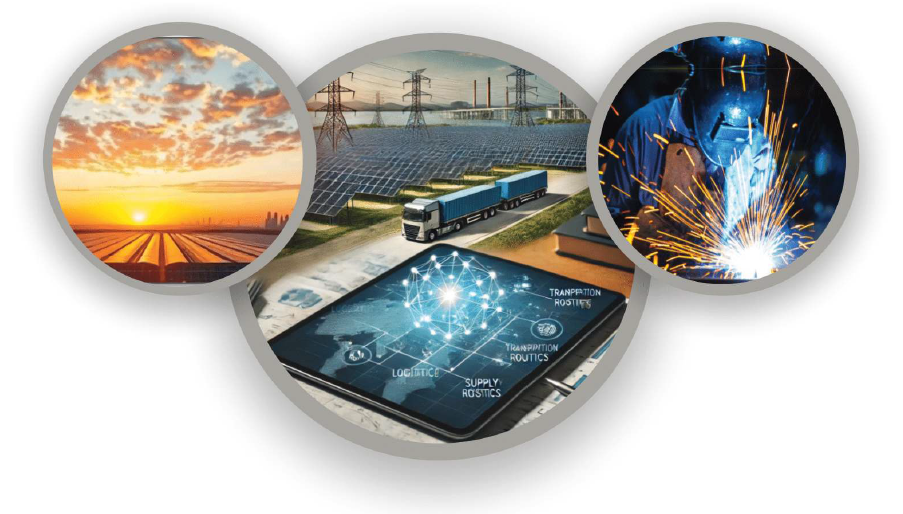
Regional Energy Trade: The Kasama Solar Energy project is an example of how energy can be efficiently transferred across borders, promoting energy security and interconnectivity between neighboring countries. From Kasama Solar Energy Ltd.’s project, Zambia will absorb 40 MW to its national grid, while the remaining capacity will be distributed to Namibia (50 MW), Tanzania (30 MW), and Malawi (20 MW), thus helping to diversify and stabilize the regional energy supply.
